


News
Vietnam Climate Guide: Best Time And Places to Visit
Vietnam is renowned as a country having a rich tapestry of climates due to its geographic diversity. From the tropical south to the temperate north and the cool Central Highlands, understanding Vietnam’s climate can help you plan your travel itinerary better, accordingly help enhance your experience in Vietnam much more greatly.
In this comprehensive guide, Tam Trinh Coffee will help you explore the nuances of the Vietnam climate, simultaneously recommend the ideal travel times and must-see destinations across this beautiful and hospitable country.
1. Overview of Vietnam Climate
Stretching across multiple latitudes and elevations, Vietnam possesses a diverse climate varying from region to region. In terms of the patterns of climate, Vietnam can be divided into three main climatic zones, including Northern Vietnam, Central Vietnam, Central Highlands and Southern Vietnam, in which each region will experience unique seasons and weather patterns, influenced by monsoons and altitude. That’s the reason why Vietnam is known as a year-round travel destination for international travelers from all over the world.
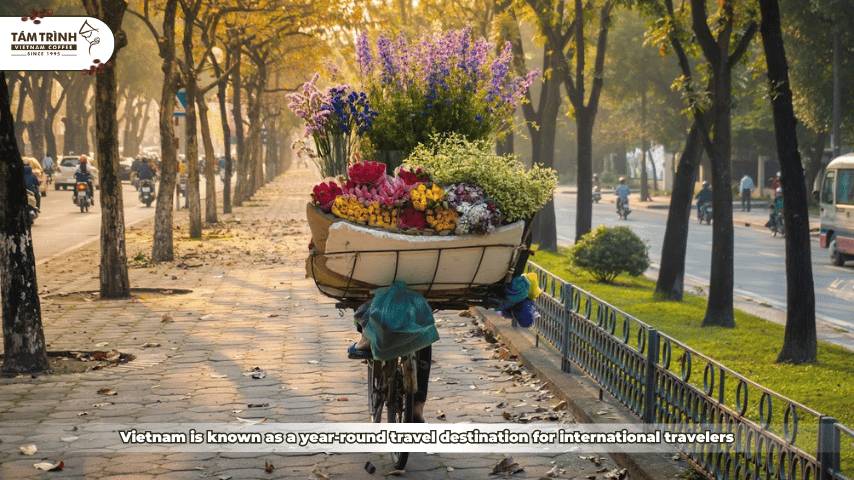
In the north, you’ll find distinct seasons with cold winters and hot summers. Central Vietnam experiences a tropical climate with long dry seasons, while the southern part of the country remains warm and tropical year-round with a marked rainy season. In particular, the Central Highlands possesses a refreshing escape from the heat with cool and misty weather almost all year round, making it an ideal destination for anyone who loves experiencing outdoor and thrill-seeking activities like canyoning or trekking.
2. Vietnam Climate Characteristics by Region
Every region of Vietnam experiences a unique climate and seasonal attractions. Tam Trinh Coffee has summed up some of the characteristics of each region and come up with some recommendations for when and where to travel, hopefully helping you gain the most out of your experience in Vietnam in general and in each region below in particular.
2.1. Northern Vietnam – Vietnam Climate
Coming to North Vietnam, the climate here is characterized by four distinct seasons, each offering its own unique appeal. From the Hanoi capital to the mountainous regions of Sapa and the coastal beauty of Ha Long Bay, this area presents a rich cultural and natural landscape to explore.

- Spring (March to May): Spring is the ideal season to explore Northern Vietnam due to its moderate climate. During these months, the region enjoys mild weather with temperatures conducive to outdoor activities. It’s the perfect time for trekking adventures in Sapa, where the landscapes are vibrant with blooming flowers, or cruising Ha Long Bay, where the emerald waters invite exploration of its myriad islands.
- Summer (June to August): With temperatures soaring between 25°C to 35°C summer in Northern Vietnam is warm and humid, making it an ideal spot for sun-seekers and beach enthusiasts, particularly in the coastal regions and islands of Ha Long Bay, though heavy rains also happen occasionally.
- Autumn (September to October): For some people, Autumn is the best time to visit Vietnam, especially in Hanoi where the streets are filled with the scent of milk flowers and the trees turn into a golden hue, making Hanoi capital become more poetic and nostalgic than any other city.
- Winter (November to February): Winter in the north is cool and dry, with temperatures ranging from 10°C to 20°C. Sapa, known for its terraced rice fields and vibrant ethnic markets, often experiences frost and even snow on rare occasions, making it a picturesque winter destination. Hanoi, the capital, is also a great spot for cultural exploration during this time, as it hosts numerous festivals.
2.2. Central Vietnam – Vietnam Climate
Central Vietnam experiences a tropical climate with less variation between seasons than the north. However, it is heavily influenced by the monsoon season, which can bring heavy rains and occasional storms. Despite this, Central Vietnam is known for its long stretches of sunny weather, making it a fantastic beach destination. The climate in Central Vietnam can be divided into 2 main seasons below:
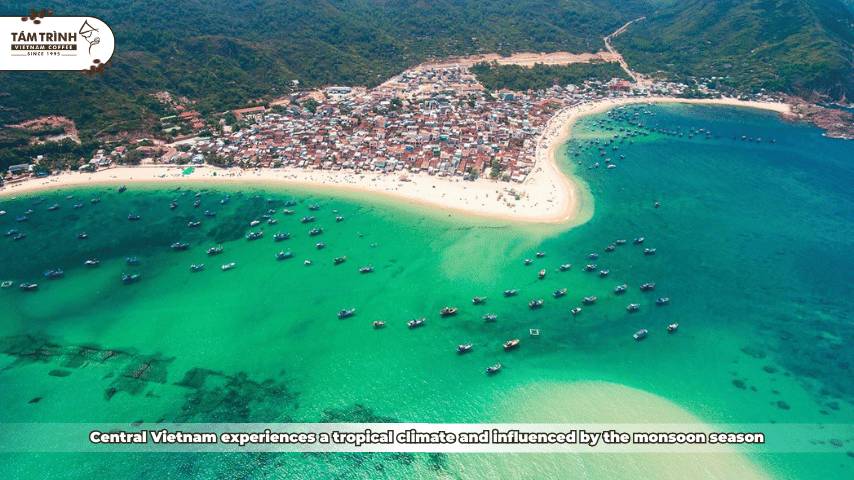
- Dry Season (January to August): The dry season in Central Vietnam offers warm, sunny days, with temperatures ranging from 25°C to 30°C. This is the best time to visit historical cities like Hue, Da Nang, and Hoi An, where you can explore ancient temples, royal palaces, and UNESCO World Heritage sites. Da Nang’s My Khe Beach and the Marble Mountains are also ideal for outdoor enthusiasts during these months.
- Rainy Season (September to December): During the rainy season, Central Vietnam can experience heavy downpours, but this is also the time when the region’s natural beauty is at its peak. The rivers swell, creating dramatic scenery, particularly around Hoi An and Hue. This season can still be a good time to visit for those interested in photography or cultural tours, as the cities become more serene and less crowded.
2.3. Central Highlands – Vietnam Climate
The Central Highlands of Vietnam, particularly Dalat, stand out with their mild weather almost throughout the year. This region offers a stark contrast to the typical tropical warmth found elsewhere in the country, with temperatures pleasantly maintained between 15°C and 24°C. The refreshing misty mornings and crisp evenings are perfect for indulging in a variety of outdoor activities such as hiking, cycling, and canyoning, particularly in Dalat, which is known as the paradise of a thousand flowers.

As the dry season rolls in from November to April, it marks the perfect time to explore Dalat’s exquisite natural landscapes. Tourists flock to the area to experience not only the physical beauty but also the rich cultural activities available. Attractions such as Elephant Falls, Pongour Waterfall, and the towering Langbiang Mountains are highlights that shouldn’t be missed, offering breathtaking views and thrilling adventures.
Nestled among these natural wonders, Dalat is also a sanctuary for coffee lovers. The region is celebrated for its extensive coffee plantations which contribute significantly to Vietnam’s reputation as a global coffee producer. Particularly in Dalat, you can find many charming cafes and intriguing coffee tours, allowing you to explore and appreciate the intricate process of coffee production.
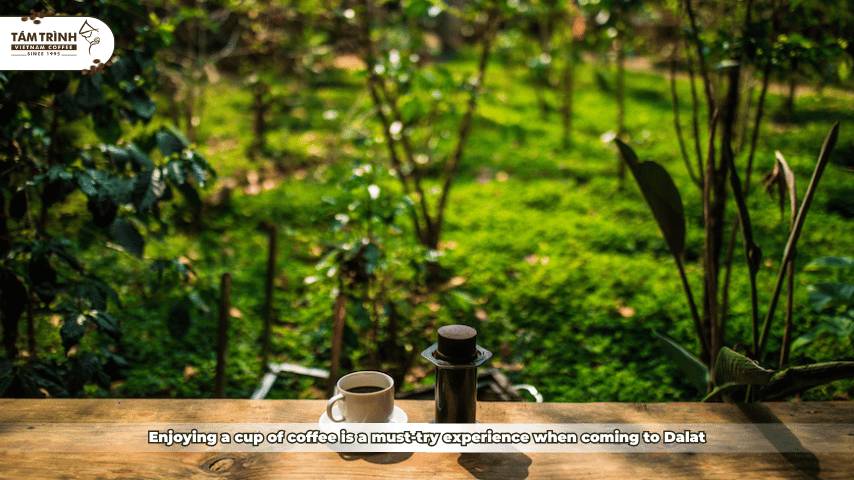
Among these destinations, a visit to Tam Trinh Coffee near Elephant Waterfall is highly recommended. Here, you can participate in an enriching coffee tour that allows you to learn about the sophisticated processes of coffee cultivation and brewing. This experience is complemented by stunning views of the surrounding landscape, making Tam Trinh Coffee a quintessential stop that beautifully encapsulates the essence of the Central Highlands.Tam Trinh Coffee offers a stunning view of Elephant Waterfall

2.4. Southern Vietnam – Vietnam Climate
Last but not least, Southern Vietnam enjoys a tropical climate with little seasonal variation. The two main seasons here are the dry season and the rainy season, making it a destination you can visit throughout the year, depending on your preference for sunshine or lush green landscapes:

- Dry Season (November to April): The dry season is characterized by warm temperatures ranging from 25°C to 35°C. This is the best time to explore bustling Ho Chi Minh City, take a trip to the Cu Chi Tunnels, or venture into the Mekong Delta for a boat tour of the floating markets. The beaches of Phu Quoc Island are also at their most beautiful during this season, with crystal-clear waters and soft, sandy shores.
- Rainy Season: During the rainy season, the south experiences daily downpours, usually in the afternoon, which bring cooler temperatures and lush green landscapes. While the rain may deter some, it’s an excellent time for those interested in the region’s agricultural life. The Mekong Delta comes to life during this season, with the rice paddies and fruit orchards at their peak.
Conclusion
Tam Trinh coffee hopes that this article has enriched your understanding of Vietnam’s climate, enabling you to plan your travels well and have a memorable journey in Vietnam with breathtaking experiences and unforgettable memories besides your loved one.