

Travel Knowledge/Tips
Explore the Long Dinh Tea Museum – A Unique Cultural Destination in Da Lat
Da Lat is not only about poetic landscapes. Did you know that this city also preserves many unique cultural treasures? In this article, Tam Trinh Coffee invites you to explore the Long Dinh Tea Museum — a space where the essence of tea is beautifully preserved, from Vietnamese traditions to global tea culture.
1. The Story Behind Long Dinh Tea Museum & Its Cultural Value
Long Dinh Tea Museum was established by Long Dinh Joint Stock Company, a reputable producer and distributor of oolong tea, green tea, and herbal tea. It has been recognized by the Vietnam Records Organization as the largest museum in Vietnam dedicated exclusively to tea.
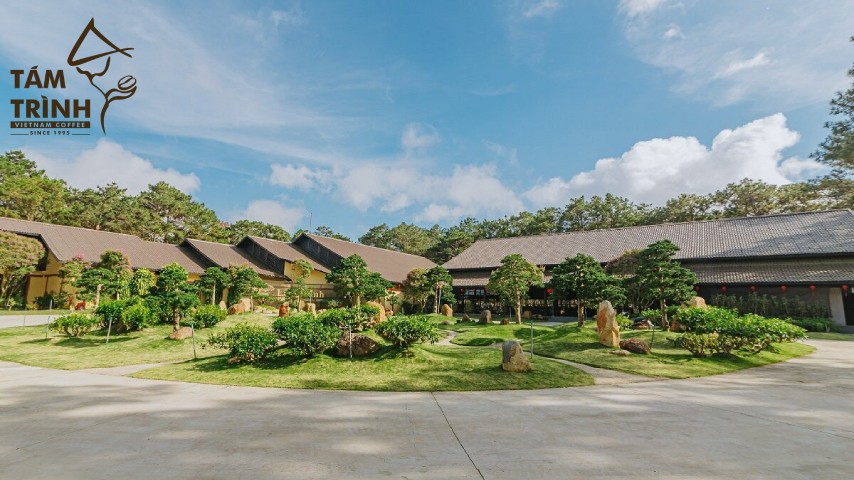
The museum was founded with the mission of preserving Vietnam’s tea heritage while recreating the journey of tea cultivation from the time the French developed the Cau Dat region in 1927 up to the present day. The idea was conceived in 2009, construction began around 2020, and the museum officially opened to visitors in early 2023.
2. Location & How to Get to Long Dinh Tea Museum
Before visiting, be sure to note the simplest directions to avoid getting lost.
2.1. Exact Location
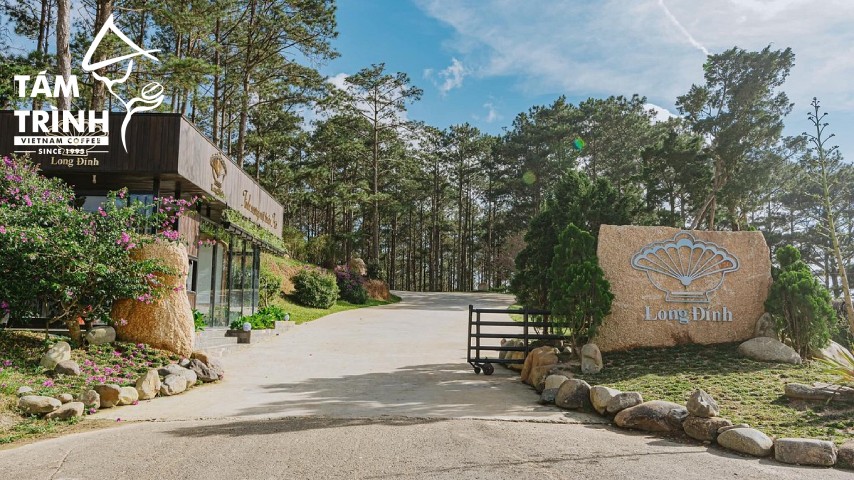
The museum is located in Phat Chi Hamlet, Tram Hanh Commune, Da Lat City, Lam Dong Province — about 20 km from Da Lat’s city center. Far enough from urban noise, it offers a peaceful and refreshing highland atmosphere.
2.2. Suggested Route
From central Da Lat, follow: Tran Hung Dao – Hung Vuong – Tu Phuoc – National Highway 20 toward Trai Mat – Cau Dat. Upon reaching Tram Hanh Commune, follow the signs to Phat Chi Hamlet.
Recommended transportation:
- Motorbike: Ideal for those who want to stop for scenic photos along the way.
- Taxi or private car: Convenient and safe for families or groups.
3. Highlights of Long Dinh Tea Museum
What makes this place a must-visit for tea lovers? Discover it with Tam Trinh Coffee:
3.1. Unique Architecture & Design
The museum spans approximately 3.4 hectares in Phat Chi Hamlet. Its open-space architecture blends tradition with modernity. Materials such as wood, bamboo, stone, and glass are harmoniously combined with natural light, creating balance between exhibition space and surrounding landscapes.
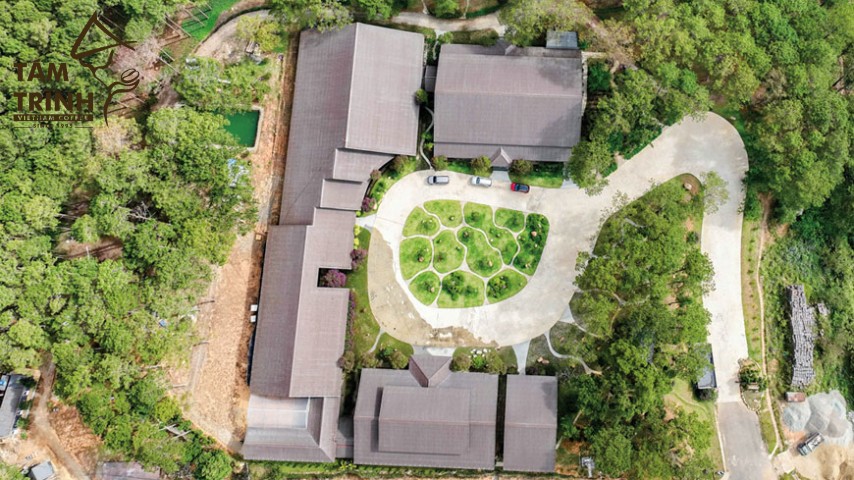
Indoor and outdoor areas flow seamlessly, offering a serene, meditative atmosphere. Visitors can stroll through ancient tea gardens, glass corridors, and tea-tasting areas overlooking tea hills.
3.2. Rich Exhibition Spaces & Artifacts
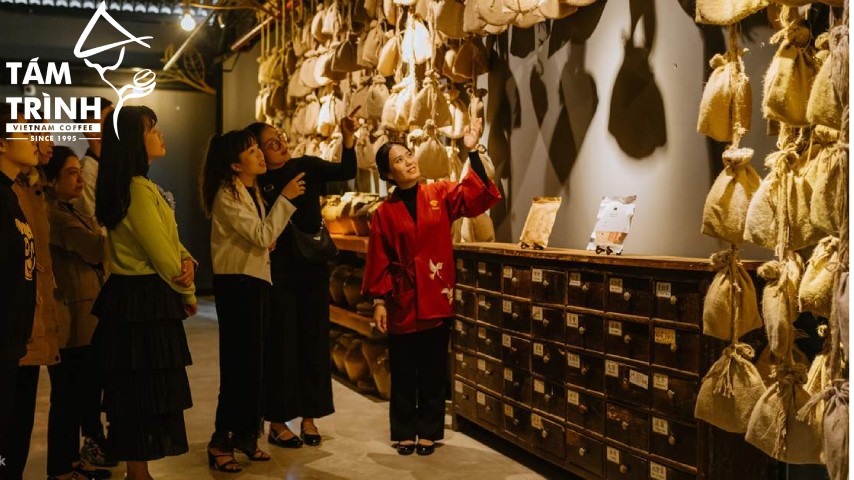
The museum houses nearly 200 valuable artifacts, including maps, paintings, models, and traditional tea-making tools.
Key exhibition areas include:
- History & Legends Zone: Featuring stories of tea across cultures, with statues of Shennong, Japanese Zen monks, and Portuguese Princess Catherine — figures associated with tea’s global journey.
- Tea Processing Tools Exhibition: Antique rolling machines, drying equipment, and restored manual tools illustrating traditional methods.
- Ancient Tea Garden: Home to centuries-old tea trees symbolizing the enduring bond between people and tea.
- International Tea Culture Space: Showcasing tea customs from China, Japan, Europe, and Islamic countries.
- Artistic Display & Lighting: Artifacts arranged chronologically with skillful lighting for an immersive experience.
3.3. Photo Spots & Visual Experiences
Beyond historical value, the museum is also a perfect check-in location:
- Ancient tea trees with symbolic green canopies
- Statues of Shennong, Japanese Zen monks, and Princess Catherine
- Glass corridors, bamboo-wood roofs, and stone courtyards among tea bushes
- Balcony tea spaces overlooking tea hills and pine forests
4. Entrance Fees & Services
Before entering this serene tea sanctuary, here is what you need to know:
4.1. Ticket Types & Prices
- Basic Ticket (museum visit + basic tea tasting): 100,000 VND/adult
- Experience Ticket (museum visit + tea process experience + premium tasting): 150,000 VND/person
4.2. Opening Hours
- Open daily: 08:00 – 17:00
- Recommended visit time: 1.5 – 3 hours
- Best visiting hours: Morning (8–11 AM) or late afternoon (before 4 PM)
4.3. Additional Services
- Guided tours with explanations of tea history and processing
- Specialty tea shop selling Long Dinh Organic tea (oolong, green, herbal), gift sets, teaware, and souvenirs
5. Experiences at Long Dinh Tea Museum
Don’t just visit — immerse yourself!
5.1. The Art of Tea Tasting
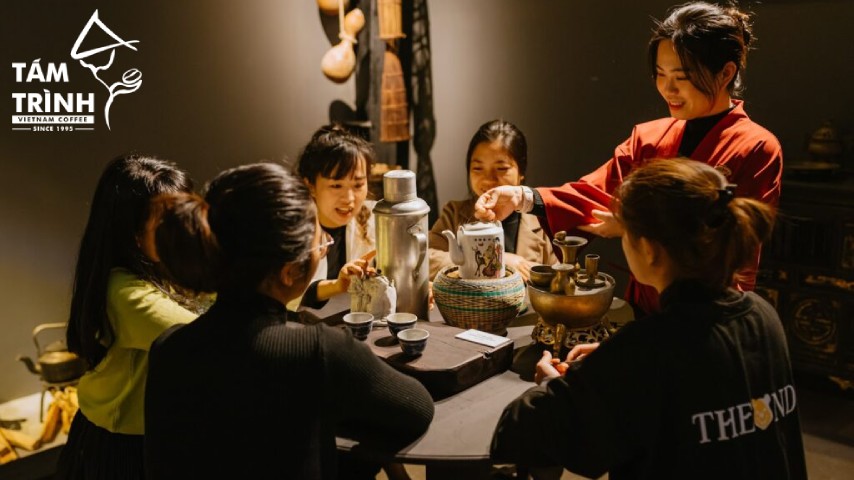
Here, you can experience authentic tea rituals guided step-by-step: selecting water, adjusting temperature, steeping time, and pouring technique. Each movement reflects a philosophy of mindfulness and slow living.
The menu also includes unique tea-infused dishes such as tea rice and tea-marinated eggs.
5.2. Tea-Making Workshop
Dive deeper into tea craftsmanship:
- Harvesting fresh tea buds
- Learning withering, rolling, and drying techniques
- Packaging your own tea as a souvenir
Hands-on workshops help visitors craft their own perfect cup of tea.
5.3. Souvenirs & Specialty Tea
Before leaving, stop by the souvenir shop:
- Long Dinh specialty teas (oolong, green tea, herbal tea, matcha)
- Premium gift sets
- Handcrafted teaware and tea-related accessories
6. Cultural Journey: Tea & Tam Trinh Coffee
Many visitors combine Long Dinh Tea Museum with Tam Trinh Coffee, creating a complete highland cultural experience — tea and coffee, history and relaxation.
Located in Gia Lam Commune (Lam Ha District), Tam Trinh Coffee is often called the “million-dollar coffee shop” thanks to its stunning panoramic view: lush valleys, coffee hills, Elephant Waterfall, and Linh An Pagoda.

The open design maximizes natural light and wind, blending wood, stone, and glass for a warm yet spacious atmosphere. Here, sipping freshly roasted coffee feels deeply healing.
The café also serves vegetarian buffet options and local fruit drinks. The surrounding coffee garden offers authentic check-in moments reflecting highland life.
7. Conclusion
Your journey to explore Da Lat becomes more meaningful when you visit cultural landmarks. Long Dinh Tea Museum takes you back in time, sharing stories of tea, meditation, and the art of slow living.
Afterward, visit Tam Trinh Coffee — a perfect place to relax amid majestic nature. One represents the depth of tea culture, the other the bold richness of coffee. Together, they create a refined and unforgettable journey in Lam Dong’s highlands.