


News
Save The Details of These Elaborated Coffee Export Procedures from A-Z
To expand the reach of Vietnamese coffee, businesses must master the A-Z export process, ensuring full compliance with international standards and maximizing trade opportunities.
This article will provide an overview of the coffee export industry, a detailed guide to each step in the coffee export procedure, and an analysis of the opportunities and challenges that businesses need to be aware of. If you are looking for an in-depth guide on coffee export, this article from Tam Trinh Coffee is a must-read.
1. Overview of Coffee Export Procedures
1.1. The Role of the Coffee Export Industry
Coffee has been the most vital agricultural product among Vietnam’s key export commodities, significantly contributing to the national export revenue. Vietnam is currently among the world’s biggest coffee exporters to the tune of millions of tons second in volume only to Brazil.Its rich soil, favorable climate, and natural conditions have contributed to its dominance in the international coffee market.

Not only does it generate substantial foreign currency revenue, but the coffee export industry also creates jobs for millions of farmers, businesses, and related entities in the supply chain. With the development of the global economy, the demand for coffee is increasing, opening up significant opportunities for the Vietnamese coffee industry to grow and establish its brand in the international market.
1.2. Primary Export Coffee Types
Currently, the two groups of coffee beans that are primarily exported in Vietnam are:
Green Coffee Beans: This type of coffee has not undergone deep processing, including popular varieties consisting Arabica, Robusta, and Liberica. Among these, Robusta accounts for the largest proportion and is favored in many European and Asian markets due to its strong, bold flavor and high caffeine content.

Processed Coffee: This includes roasted coffee, instant coffee, and specialty coffee. The modern consumption trend is gradually shifting from green coffee beans to processed coffee to increase the added value of the products, facilitating businesses optimize profits when exporting.
> See More: What You Need to Know About the Coffee Roasting Process
2. Coffee Export Procedures – Elaboration
2.1. Customs Procedures & Key Documents for Coffee Export
To export coffee properly, businesses are required to proceed with several key documents to ensure smooth customs clearance and compliance with international trade stipulated. A standard documentation set typically includes:
Sales Contract: Outlines the agreement between the exporter (seller) and the importer (buyer), specifying the coffee sale in terms of quantity, quality, price, and delivery conditions.
Commercial Invoice: An essential document for declaring the value of goods during customs clearance.
Packing List: This details the shipment about packaging specifications, quantities, and weights of goods.
Certificate of Analysis (COA): Certificate issued by the inspection department confirms that the coffee meets specific quality standards, moisture content, caffeine level, etc.
Certificate of Origin (C/O): Verifies the origin of the coffee, allowing for tariff benefits upon trade agreements.
The customs declaration process is also a crucial step, involving complying with phytosanitary inspections for agricultural products, understanding and paying applicable export taxes, and navigating trade barriers imposed by the importing country
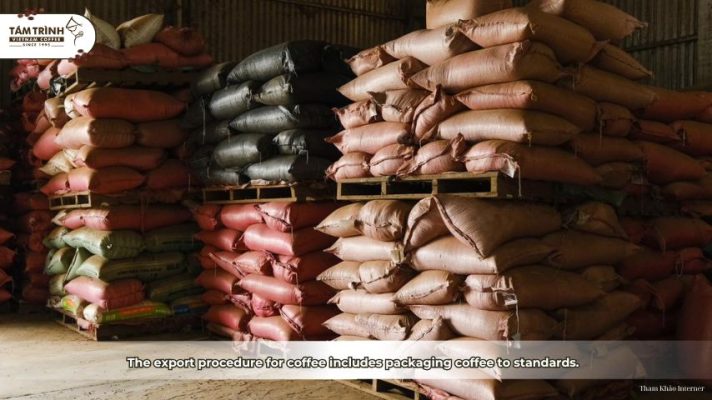
2.2. Packaging & Transportation of Export Coffee
Export coffee is packaged according to international standards to ensure quality and protects the coffee from moisture, contamination, and damage during transportation. Common packaging forms include:
- Jute or Woven Bags (PP bags lined with PE): Used for green coffee, offer a robust packaging solution to preserve flavor and moisture.
- Tin cans/Glass jars: Used for roasted or instant coffee, providing better preservation and increasing product value.
In term of transportation methods, businesses can refer to:
- Sea freight: well-suite for large quantity exports, typically using containerized packaging.
- Air freight: Ideal for urgent or time-sensitive shipments, and for valuable or perishable goods
3. Trends in Coffee Exports in the Future
3.1. Enhancing Organic Coffee Production
The international market increasingly favors organic coffee due to the demand for clean products free from harmful chemicals. This trend presents significant opportunities for Vietnamese enterprises to invest in sustainable coffee export procedures, applying advanced cultivation technologies to meet the stringent requirements from demanding markets such as the EU, the USA, and Japan.
3.2. Developing Specialty Coffee & Deep Processing
The coffee consumption trend is gradually shifting towards specialty coffee products with unique flavors and high value. Enterprises need to focus on high-quality coffee varieties such as Arabica, combined with in-depth roasting and processing techniques to enhance commercial value.
> See More: Explore Popular Coffee Processed Products That Help Protect the Environment
3.3. Application of Digital Technology in Coffee Export Procedures
Digital technology plays a crucial role in enhancing production efficiency and accessing international markets. Enterprises can leverage e-commerce and blockchain to increase transparency in the supply chain and improve competitiveness in the global coffee export market.
4. Tam Trinh Coffee Export Factory
The export factory of Tam Trinh Coffee is located in the Nam Ban region, Lam Dong – one of the areas with ideal conditions for coffee production and processing. With a capacity to the tune of 20,000 tons per year, the factory is equipped with advanced machinery, ensuring the authenticity and quality of each coffee bean before export.
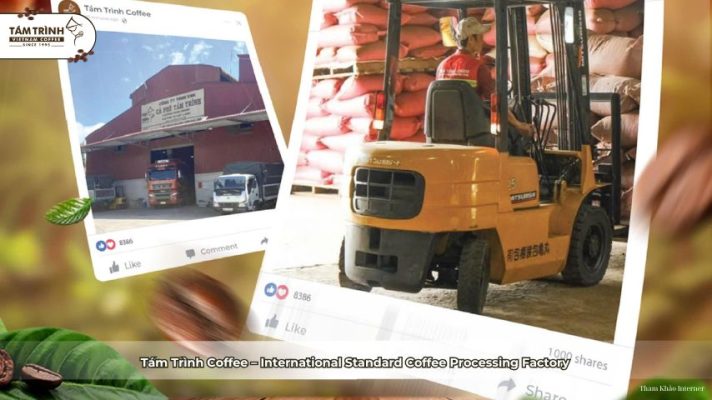
Tam Trinh Coffee persistently aims to promote high-quality coffee as the primary goal, from selecting raw materials to processing procedures that meet international standards. Tam Trinh’s products not only meet export standards for demanding markets such as the EU, the USA, and Japan, but also preserve the distinct flavor of Vietnamese coffee.
participate in the Tam Trinh Coffee Tour. This offers an opportunity to explore the raw material area, experience the coffee processing stages directly at the factory, and enhance your knowledge about high-quality coffee. Please contact us immediately for the most authentic experience in the coffee export industry!

5. Benefits of Coffee Export
5.1. Increasing Economic Value
Coffee export helps businesses optimize profits by accessing markets with high consumption demand that are willing to pay higher prices. This not only brings significant revenue to businesses but also contributes to national economic growth. Additionally, a thriving coffee industry creates jobs for millions of workers, from coffee farmers and processing workers to exporters and distributors.
5.2. Building International Brand
Exporting coffee is not merely about selling products abroad; it is also an opportunity for businesses to establish their brand in the international market. A strong coffee brand enhances the company’s reputation, facilitating long-term business expansion. Furthermore, when Vietnamese coffee products are recognized in demanding markets such as the United States, the EU, or Japan, the brand value is elevated, laying a solid foundation for sustainable development.
5.3. Expanding Business Markets
When undertaking coffee export procedures, businesses are not limited by the domestic market but can exploit business opportunities globally. This helps mitigate risks from fluctuations in the domestic market and leverage consumer trends in other countries. Furthermore, participating in the global supply chain allows businesses to access advanced production technologies, improve product quality, and increase competitive advantages.
Coffee exports represent a field full of potential but also fraught with challenges. Vietnamese coffee businesses, including Tam Trinh Coffee, need to master the coffee export procedures, comply with international standards, and anticipate market trends to enhance their competitive capacity. With thorough preparation and appropriate strategies, Vietnamese coffee can undoubtedly assert its position on the global export map.