


News
Coffee Cherry Ripening Season: The Key to Ensuring Bean Quality from Farm to Cup
“From farm to cup” is not just a slogan — it is a commitment to quality. Every stage of the journey is carefully nurtured to preserve the coffee’s original character before it reaches the hands of the drinker. Along that journey, the harvest time is the true “golden milestone.”
There is only one harvest season each year — so how do we know when coffee cherries are perfectly ripe? When is the ideal harvest moment? And how can quality be ensured?
What Does “Ripe Coffee” Mean?
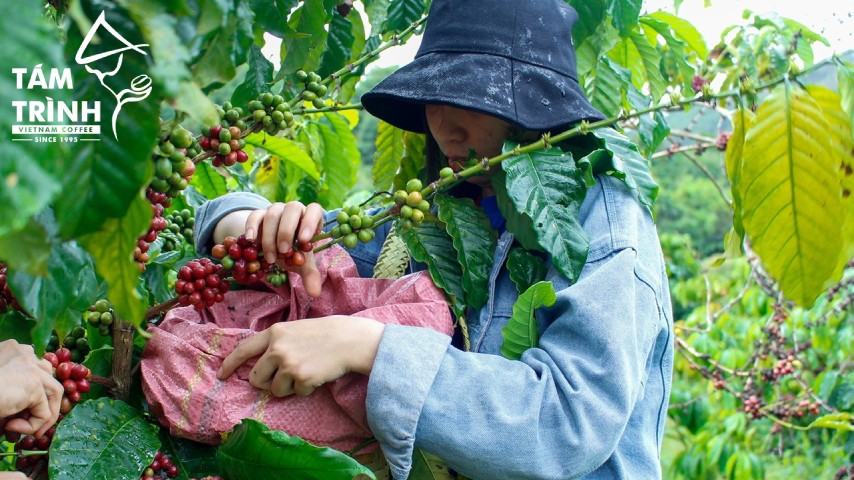
When unripe, coffee cherries are green, firm, and contain underdeveloped beans. As they reach ideal ripeness, their color changes — bright red for Arabica, while Robusta may turn red or yellow-orange depending on the variety.
At this stage, sugar content and nutrients peak. The skin becomes plump and glossy, and the beans inside are fully developed. These elements form the foundation of a balanced, rich, and aromatic cup of coffee.
Why Is Harvesting at the Right Time So Important?
Harvesting at the correct time does more than protect flavor — it ensures the sustainable growth of the coffee tree for future seasons.
Protecting Plant Health
Harvesting on time allows the tree to recover and accumulate nutrients for flower development in the next season. Late harvesting can exhaust the tree and reduce future yields.
Ensuring Bean Quality
Harvest timing determines sugar levels, acidity, fats, and aromatic compounds — all crucial to the final cup. Properly ripe cherries deliver rounded aroma, natural sweetness, and excellent balance.
Optimizing Economic Value
Evenly ripened cherries harvested at the right time ensure higher yield and consistent quality, increasing market value and selling price.
Supporting Processing
Ripe cherries facilitate smoother processing — from drying and fermentation to roasting — reducing risks such as mold, uncontrolled fermentation, or off-flavors.
Preventing Cherry Drop & Seed Damage
Timely harvesting reduces fruit drop, pulp damage, and defects that may compromise bean quality or future planting material.
How to Identify Naturally Ripe Coffee Cherries
Experienced farmers understand their trees best. Signals such as fruit color, plumpness, gentle sweet aroma, and even yellowing leaves indicate readiness.

Color
The clearest sign. Arabica turns bright red when ripe. Robusta may ripen to red or yellow depending on variety. When most cherries on a branch display uniform color, harvest time has arrived.
Shape & Texture
Ripe cherries appear round, glossy, and slightly softer than green ones, yet still firm. The skin becomes thinner and easier to remove during processing.
Natural Aroma
Ripe cherries emit a subtle, sweet fragrance — a sign that sugars and aromatic compounds have fully developed.
Firmness & Detachment
Ripe cherries detach easily by hand without excessive force.
Leaf Changes
Leaves may turn yellow and begin to fall as the tree directs nutrients toward fruit maturation — signaling the end of the growth cycle.
Recognizing these signs requires careful observation and experience. Sometimes, no machines are needed — just a farmer’s hand attuned to the rhythm of the season.
Coffee Harvest Seasons by Region in Vietnam
Vietnam’s coffee-growing regions stretch from the North to the Central Highlands, resulting in varied harvest times.
-
Northern Vietnam (Arabica): November to March — cool, dry mountain air enhances flavor development.
-
Central Region: October to December — dry and sunny weather supports even ripening.
-
Central Highlands (Robusta): December to February — the dry season is ideal for harvesting and sun-drying.
In recent years, however, climate instability has made harvest timing less predictable, creating new challenges for farmers.

The Risks of Harvesting Too Early or Too Late
Due to seasonal pressure or inexperience, some farmers harvest green or overripe cherries — compromising quality.
Green Cherries
Though visually healthy, the beans inside are immature. They produce harsh, bitter flavors with little depth. These beans roast unevenly and are unsuitable for wet processing.
Overripe Cherries
Easily bruised during harvesting, allowing bacteria and mold to enter. This leads to uncontrolled fermentation, sour notes, or loss of natural aroma — affecting both quality and safety.
A single harvesting mistake can compromise an entire crop.
How to Harvest Coffee Properly
The answer lies not only in technology, but also in care and understanding.
-
Hand-picking only ripe cherries ensures optimal maturity.
-
Immediate sorting and processing prevent unwanted fermentation.
-
Harvest during dry, sunny days for best results.
-
If immediate processing is not possible, cherries should be spread thinly on clean, dry surfaces with good airflow.

The journey “from farm to cup” is not merely a process — it is a story that begins the moment a farmer reaches out to pick the first ripe cherry.
Tam Trinh Coffee believes that every coffee bean carries its own story — and only when harvested at the right time, in the right way, can it truly share that story in every sip you enjoy.
Discover more about selecting perfectly ripe coffee cherries and explore our premium roasted products at Tam Trinh Coffee.
Let every cup tell its own unique story — from farm to cup.